

Martha’s Vineyard’s food scene goes far beyond restaurants. Farms, fish markets, farmers markets, cooking classes, CSA programs, and seasonal events all play an important role in how the Island eats.
There are already several excellent organizations doing the work of tracking Island farms, sharing what is currently available, and helping people cook with local ingredients. Rather than recreate those resources, this guide brings the best ones together in one place.
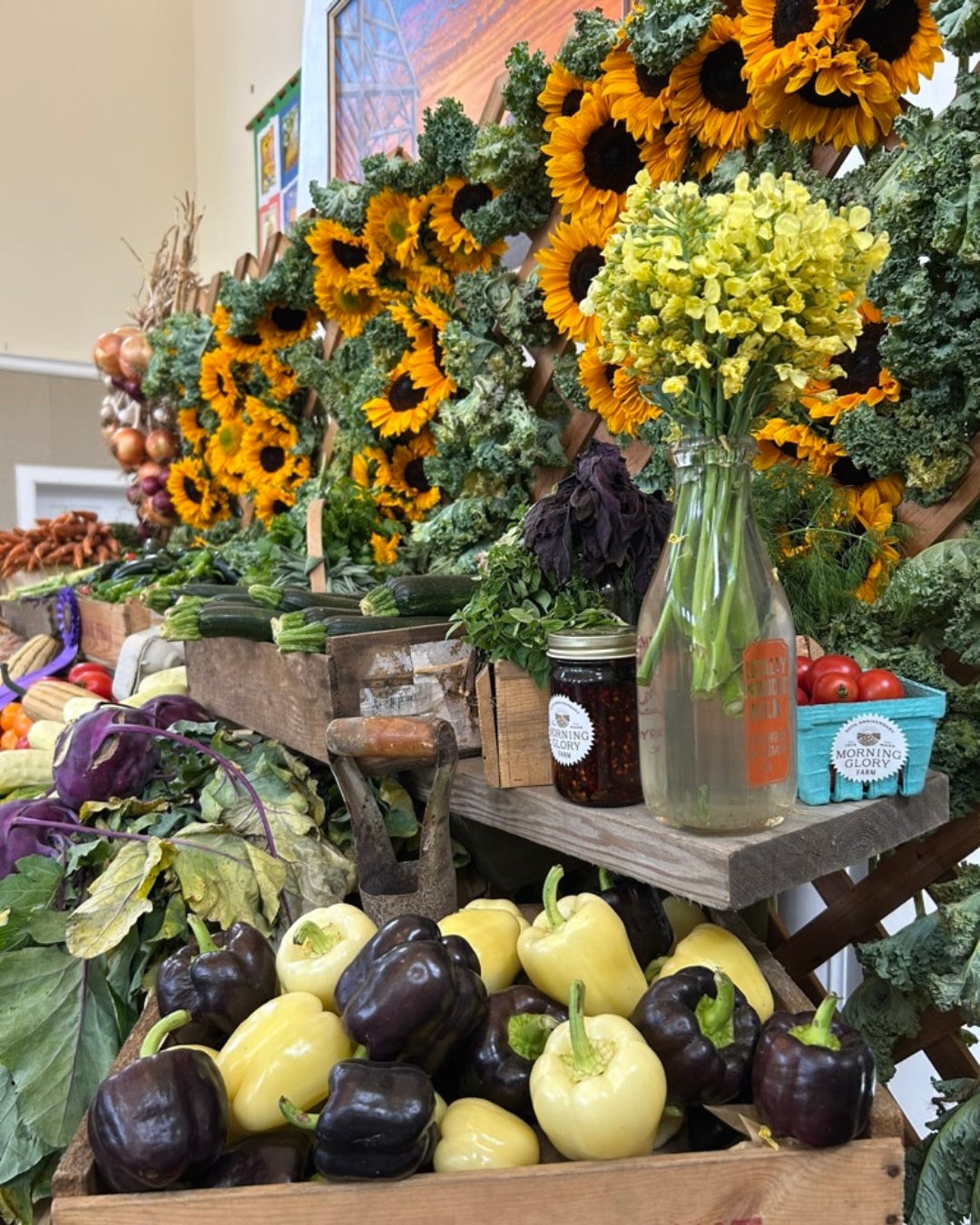
🌱 Start with the Martha’s Vineyard Agricultural Society Farm Map + Passport
The Martha’s Vineyard Agricultural Society maintains an online directory of more than 40 Island farms, farmers markets, oyster farms, flower growers and other local food producers.
You can search the directory by town, season, product, and type of farm. Listings include farm stand locations, available products, payment information, seasonal hours, tours, classes, CSA programs, and other ways to visit or purchase directly.
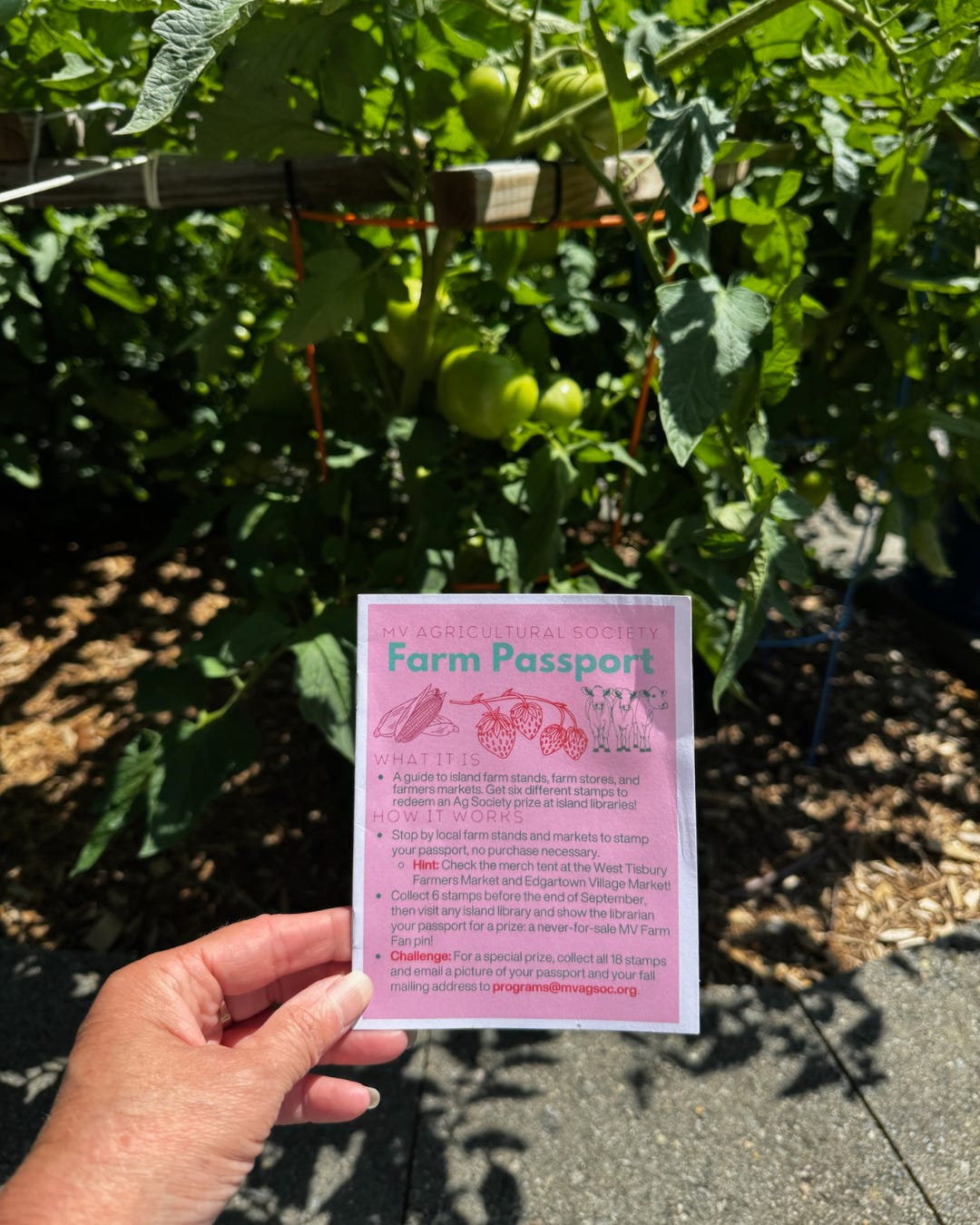
The Agricultural Society also offers a physical Farm Passport booklet that encourages people to visit participating farms and markets around the Island. Pick up a passport at many of the farms or libraries, collect stamps as you explore, and turn it in for a prize after completing the required number of visits. No purchase is required to receive a stamp, making it a fun way to learn about Island agriculture even when you are not shopping at every stop.
🥕 Use Cook the Vineyard to See What Is Fresh
Knowing where the farm stands are is only part of the equation. Figuring out what to make with everything you bring home is where Cook the Vineyard comes in.
Cook the Vineyard is a year-round Substack newsletter focused on cooking with ingredients from Martha’s Vineyard farms and fish markets. Each issue highlights what is currently in season and shares recipes designed around what is fresh and locally available. The newsletter also maintains a weekly list helpful running list of farm stand, farmers market, and seafood market schedules.
For more ideas, look for The Martha’s Vineyard Cookbook, the Sea Table books, and other Island cookbooks available through local libraries. They are great resources for learning more about Vineyard ingredients, seafood, food traditions, and seasonal cooking.


Shopping locally may mean buying tomatoes from a roadside stand, but it can also mean ordering oysters directly from a farm, joining a flower CSA, purchasing Island-raised meat, or choosing locally caught seafood.
🧺 Visit the West Tisbury Farmers Market
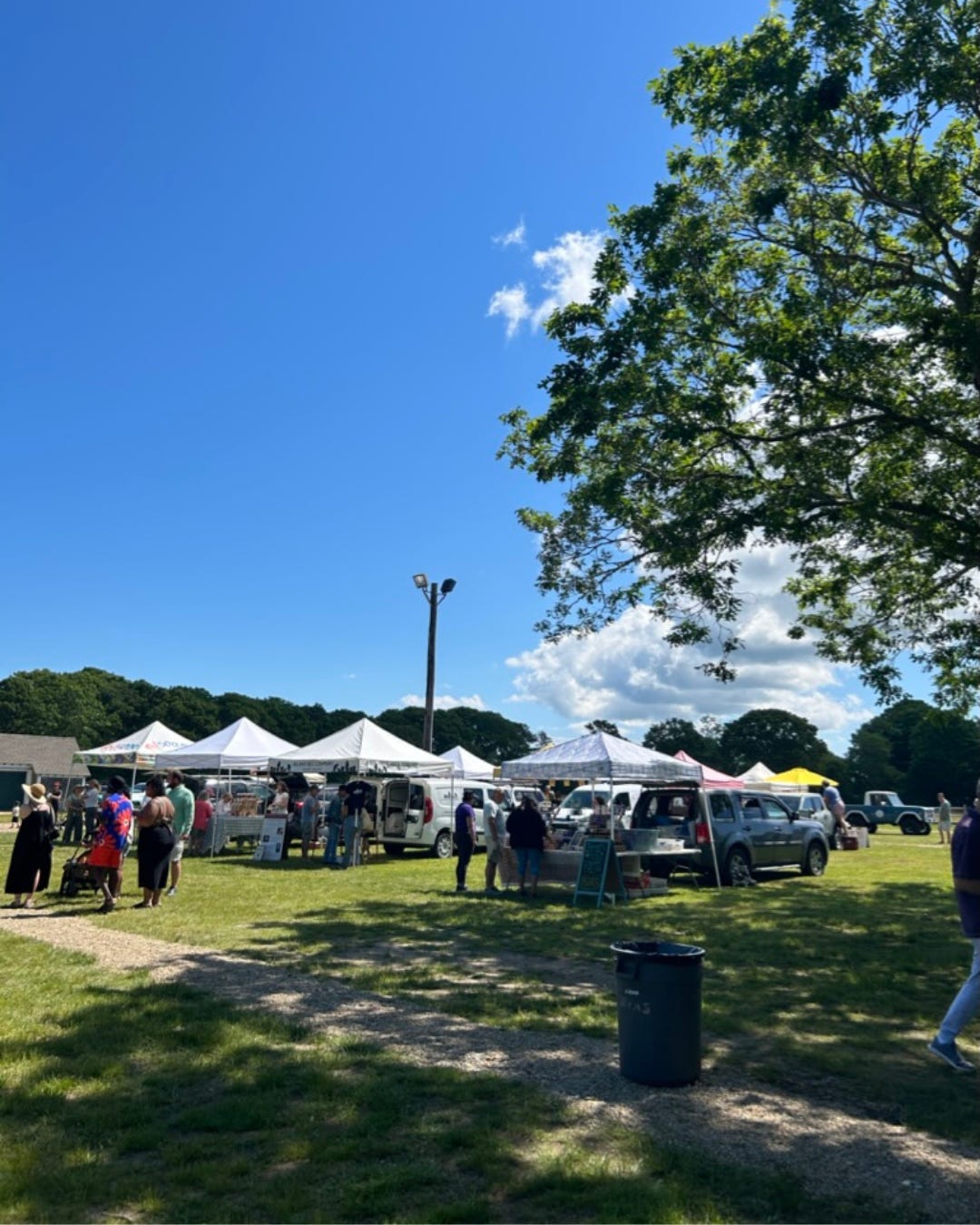
Only on Martha’s Vineyard for a week? The West Tisbury Farmers Market is one of the easiest ways to shop from a variety of Island farms and food producers in one place.
The market is held at the Martha’s Vineyard Agricultural Society grounds at 35 Panhandle Road in West Tisbury. During the summer, it takes place on Wednesdays and Saturdays from 9a–12p, rain or shine. The Saturday market continues into the fall.
Vendors vary throughout the season, with offerings that may include vegetables, fruit, flowers, meat, eggs, baked goods, prepared foods, preserves, honey, seafood, and other locally made products. The market also accepts SNAP and HIP.
The Edgartown Village Market is another seasonal option for shopping from local farmers and makers. It takes place behind the Dr. Daniel Fisher House in Edgartown on Tuesdays during the summer. Its central location makes it especially convenient for visitors staying downtown or anyone who cannot make it up-Island for the West Tisbury Farmers Market.

📦 Join a Martha’s Vineyard CSA
A Community Supported Agriculture program, usually called a CSA, allows members to pay in advance for a share of a farm’s seasonal harvest. Some programs provide a traditional weekly box, while others offer flexible credits, sliding-scale pricing, flowers, meat, eggs, bread, or other options. Shares can be a good fit for people who cook regularly and are comfortable planning meals around what is currently growing.
I wrote a full roundup of Martha’s Vineyard CSA and CSA-style programs for Blue Dot Living’s Green Guide. The guide includes confirmed 2026 offerings, season dates, pickup information, pricing, and details about what each share includes.


👩🍳 Take a Farm Cooking Class
Several Island farms and organizations offer cooking classes that help participants make better use of seasonal ingredients. The FARM Institute offers educational programs throughout the year, including hands-on cooking classes, farm-based activities, family programming, and seasonal workshops.
Slough Farm also hosts cooking classes, community programs, residencies, and events focused on food, farming, creativity, and sustainability. Many focus on techniques people can continue using at home, including cooking with what is currently available, using unfamiliar vegetables, and reducing food waste.
Island chefs including Jenny DeVivo also teach classes centered on fresh ingredients and thoughtful, low-waste cooking.

🌻 Look Beyond the Farm Stand
Many Martha’s Vineyard farms now offer much more than produce shopping.
Morning Glory Farm, Beetlebung Farm, Island Grown Initiative, North Tabor Farm, and other Island farms have expanded their seasonal programming to include experiences such as:
Farm tours
Cooking and ingredient-focused classes
Educational workshops
Community events
Farm dinners
Seasonal meals
Pick-your-own opportunities
Children’s programming
Offerings change throughout the year, so it is best to check directly with each farm before visiting. These programs are a great way to better understand where Island food comes from and the amount of work involved in growing, harvesting, preparing, and distributing it.
Island Grown Initiative operates a regenerative farm and offers seasonal CSAs, educational programs, food-access initiatives, and farm tours by reservation. It is an important resource for learning more about Martha’s Vineyard’s food system and supporting wider access to Island-grown food.
I round up each of these options in MVacay’s weekly events newsletter in the Save the Date section.


📍 A Few Tips Before You Go
Do not assume a farm is open for general public access. Some farms welcome visitors, while others distribute through CSAs, retailers, events, or scheduled programs only.
When visiting a self-service stand, follow posted instructions and pay carefully. These small operations depend on an honor system. Bring more than one payment method when possible. Smaller stands may accept only cash, checks, or Venmo.
Buying directly from Island farms supports growers and producers, keeps more food dollars within the local community, and helps preserve the agricultural landscape of the Island.
Start with the Agricultural Society’s farm map, use Cook the Vineyard to plan what to cook, visit a farmers market, take a class, or stop at a farm stand while exploring the Island. Have fun!